What Is Pilates? A Complete Beginner’s Guide to the Practice
January 14, 2026
Pilates is far more than a fitness trend or boutique workout. It is a structured movement system designed to create balance in the body—strength without rigidity, flexibility without instability, and effort without strain. Though often marketed today as a “core workout,” Pilates is, at its heart, a philosophy of efficient movement.
The Origins of Pilates
Pilates was originally developed as a corrective physical system, intended to restore the body’s natural alignment and strength. Early adopters included dancers, boxers, and individuals recovering from injuries. Over time, Pilates transitioned from rehabilitation settings into mainstream fitness—while retaining its therapeutic roots.
What makes Pilates unique is that it was never designed as a quick fix. It was created as a lifelong practice, adaptable across ages, bodies, and abilities.
The Philosophy Behind the Practice
Pilates is built on the idea that the body functions best when it moves as a unified whole. Instead of isolating muscles in a purely aesthetic way, Pilates trains movement patterns—how muscles coordinate, stabilize, and support each other.
At the center of the system is the “powerhouse”, which includes:
Deep abdominal muscles
Pelvic floor
Lower back
Glutes
Inner thighs
Strength begins here and radiates outward to the limbs.
The Six Core Principles (Explained Deeply)
1. Breath
Pilates breathing is intentional and structured. Lateral breathing expands the ribcage, supports spinal stability, and allows the core to stay engaged without tension.
2. Concentration
Pilates demands mental presence. Each repetition requires attention to alignment, breath, and muscle engagement, making the practice both physical and neurological.
3. Control
Movements are never rushed. Control ensures muscles work efficiently rather than relying on momentum.
4. Centering
Every movement initiates from the core, creating stability and fluidity.
5. Precision
Small adjustments matter. A slight change in leg position or shoulder alignment can dramatically alter an exercise’s effectiveness.
6. Flow
Exercises transition smoothly, training endurance and coordination alongside strength.
Mat Pilates vs Reformer Pilates
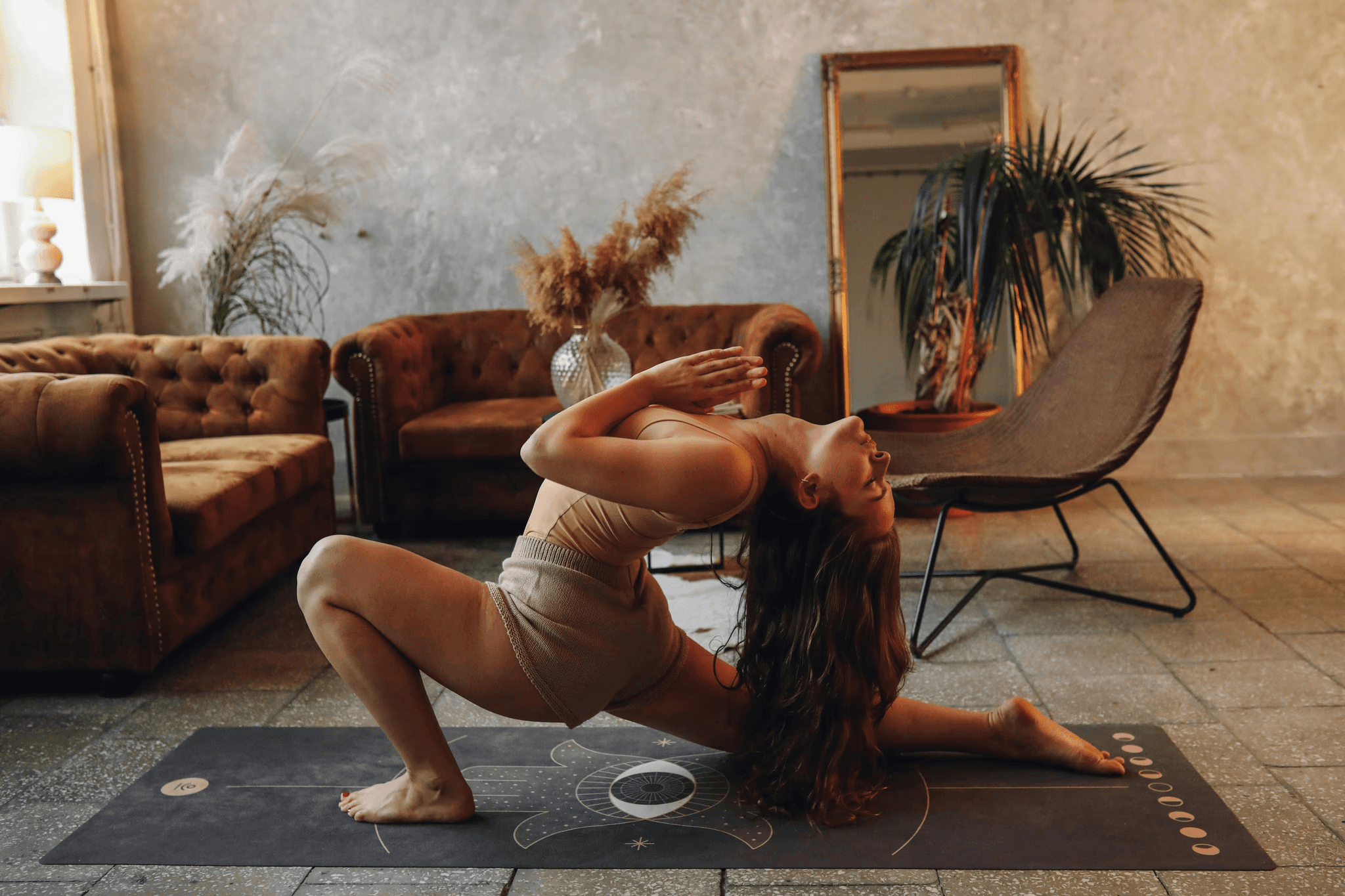
Mat Pilates relies on gravity and body weight, emphasizing internal strength.
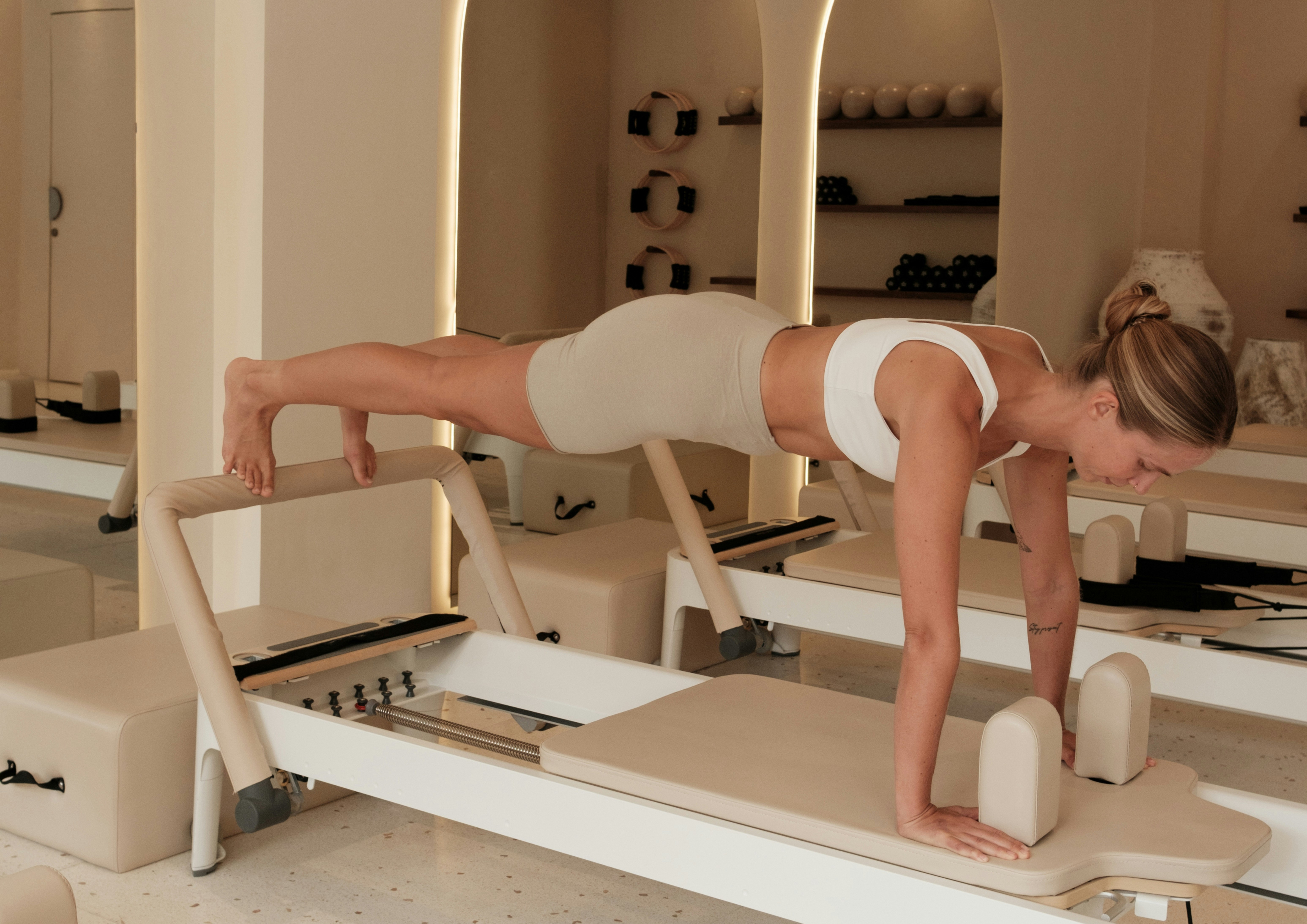
Reformer Pilates uses spring resistance, offering feedback, support, and progression.
Neither is superior—they simply serve different needs.
Why Pilates Still Matters Today
In a world dominated by sedentary lifestyles, Pilates restores:
Natural posture
Joint health
Body awareness
Sustainable strength
Pilates doesn’t teach you to push harder—it teaches you to move better.
What Is Pilates? A Complete Beginner’s Guide to the Practice
January 14, 2026
Pilates is far more than a fitness trend or boutique workout. It is a structured movement system designed to create balance in the body—strength without rigidity, flexibility without instability, and effort without strain. Though often marketed today as a “core workout,” Pilates is, at its heart, a philosophy of efficient movement.
The Origins of Pilates
Pilates was originally developed as a corrective physical system, intended to restore the body’s natural alignment and strength. Early adopters included dancers, boxers, and individuals recovering from injuries. Over time, Pilates transitioned from rehabilitation settings into mainstream fitness—while retaining its therapeutic roots.
What makes Pilates unique is that it was never designed as a quick fix. It was created as a lifelong practice, adaptable across ages, bodies, and abilities.
The Philosophy Behind the Practice
Pilates is built on the idea that the body functions best when it moves as a unified whole. Instead of isolating muscles in a purely aesthetic way, Pilates trains movement patterns—how muscles coordinate, stabilize, and support each other.
At the center of the system is the “powerhouse”, which includes:
Deep abdominal muscles
Pelvic floor
Lower back
Glutes
Inner thighs
Strength begins here and radiates outward to the limbs.
The Six Core Principles (Explained Deeply)
1. Breath
Pilates breathing is intentional and structured. Lateral breathing expands the ribcage, supports spinal stability, and allows the core to stay engaged without tension.
2. Concentration
Pilates demands mental presence. Each repetition requires attention to alignment, breath, and muscle engagement, making the practice both physical and neurological.
3. Control
Movements are never rushed. Control ensures muscles work efficiently rather than relying on momentum.
4. Centering
Every movement initiates from the core, creating stability and fluidity.
5. Precision
Small adjustments matter. A slight change in leg position or shoulder alignment can dramatically alter an exercise’s effectiveness.
6. Flow
Exercises transition smoothly, training endurance and coordination alongside strength.
Mat Pilates vs Reformer Pilates
Mat Pilates relies on gravity and body weight, emphasizing internal strength.
Reformer Pilates uses spring resistance, offering feedback, support, and progression.
Neither is superior—they simply serve different needs.
Why Pilates Still Matters Today
In a world dominated by sedentary lifestyles, Pilates restores:
Natural posture
Joint health
Body awareness
Sustainable strength
Pilates doesn’t teach you to push harder—it teaches you to move better.
What Is Pilates? A Complete Beginner’s Guide to the Practice
January 14, 2026
Pilates is far more than a fitness trend or boutique workout. It is a structured movement system designed to create balance in the body—strength without rigidity, flexibility without instability, and effort without strain. Though often marketed today as a “core workout,” Pilates is, at its heart, a philosophy of efficient movement.
The Origins of Pilates
Pilates was originally developed as a corrective physical system, intended to restore the body’s natural alignment and strength. Early adopters included dancers, boxers, and individuals recovering from injuries. Over time, Pilates transitioned from rehabilitation settings into mainstream fitness—while retaining its therapeutic roots.
What makes Pilates unique is that it was never designed as a quick fix. It was created as a lifelong practice, adaptable across ages, bodies, and abilities.
The Philosophy Behind the Practice
Pilates is built on the idea that the body functions best when it moves as a unified whole. Instead of isolating muscles in a purely aesthetic way, Pilates trains movement patterns—how muscles coordinate, stabilize, and support each other.
At the center of the system is the “powerhouse”, which includes:
Deep abdominal muscles
Pelvic floor
Lower back
Glutes
Inner thighs
Strength begins here and radiates outward to the limbs.
The Six Core Principles (Explained Deeply)
1. Breath
Pilates breathing is intentional and structured. Lateral breathing expands the ribcage, supports spinal stability, and allows the core to stay engaged without tension.
2. Concentration
Pilates demands mental presence. Each repetition requires attention to alignment, breath, and muscle engagement, making the practice both physical and neurological.
3. Control
Movements are never rushed. Control ensures muscles work efficiently rather than relying on momentum.
4. Centering
Every movement initiates from the core, creating stability and fluidity.
5. Precision
Small adjustments matter. A slight change in leg position or shoulder alignment can dramatically alter an exercise’s effectiveness.
6. Flow
Exercises transition smoothly, training endurance and coordination alongside strength.
Mat Pilates vs Reformer Pilates
Mat Pilates relies on gravity and body weight, emphasizing internal strength.
Reformer Pilates uses spring resistance, offering feedback, support, and progression.
Neither is superior—they simply serve different needs.
Why Pilates Still Matters Today
In a world dominated by sedentary lifestyles, Pilates restores:
Natural posture
Joint health
Body awareness
Sustainable strength
Pilates doesn’t teach you to push harder—it teaches you to move better.
Read More

3 Classes for $90!
Experience the difference with our new client intro offer. No pressure, just movement, energy, and strength waiting to be discovered.
3 Classes for $90!
Experience the difference with our new client intro offer. No pressure, just movement, energy, and strength waiting to be discovered.
3 Classes for $90!
Experience the difference with our new client intro offer. No pressure, just movement, energy, and strength waiting to be discovered.